Skip to content
Navigation Rough Edge

Thrive Highland

Home Page Banner

Helping children and young people to

Eat Well

Giving them the best possible start in life

Your Family’s Guide to Eating Well

Designed with families in mind, the Thrive website offers a welcoming space to explore healthy eating and lifestyle tips for children and adults alike. Packed with practical advice, fun activities, and simple nutrition facts, it brings together support and inspiration to help every family build lasting healthy habits. A friendly guide to feeling your best, one small step at a time.

A simple apple icon

Choose Your Area

Thrive covers Scotland’s biggest NHS region – a massive 12,573 square miles, which is nearly 41% of the country! Depending on whether you’re in Argyll & Bute or Highland you’ll see information that’s specific to your area.

Textured Rough Edge

Click a fruit to reveal useful links

Plum
Apple
Orange
Lemon
Pear

Bumps to Bairns

Play and development advice for young children

bumps to bairns – early help for children from 0 to 7

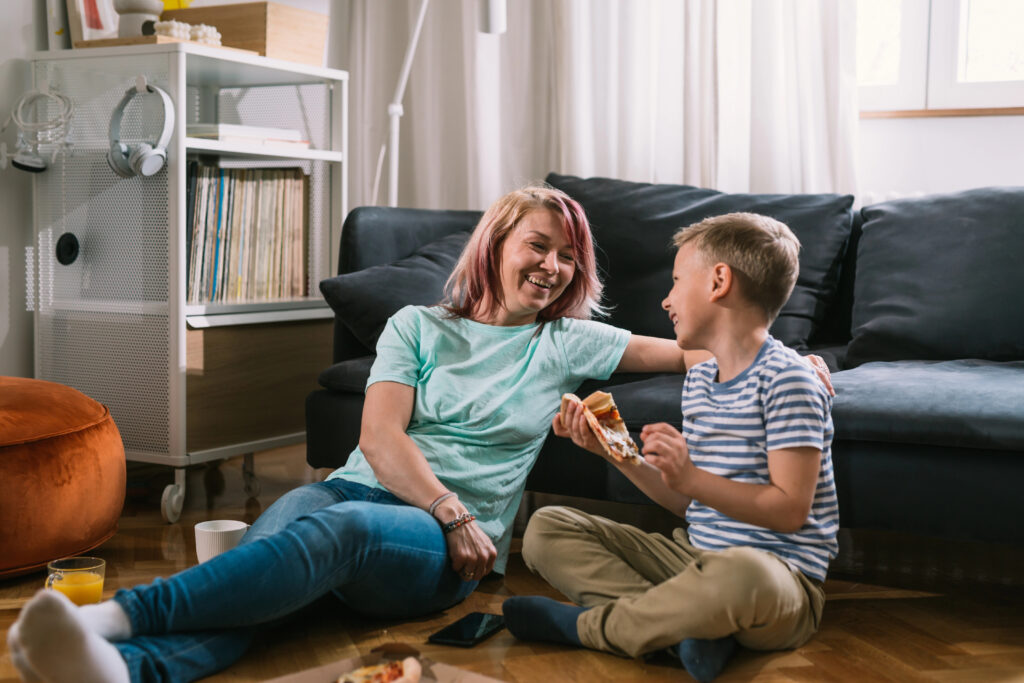
A mother and her son eating pizza together

Questions & Quick Help for Parents & Carers

Parenting isn’t always easy – especially when it comes to food.

Here are some useful resources which can support parents and carers:

Textured Rough Edge
Textured Rough Edge

Need a bit more help or have Questions or Worries?

Every family is different – and sometimes a little extra support can make a big difference.

Whether you’re facing challenges at mealtimes, have questions about your child’s eating habits, or simply want to make healthy changes as a family, you don’t have to figure it out alone. We’re here to listen, guide, and support you – no judgement, just practical help.

Our team can connect you with local services, trusted resources, and real advice tailored to your needs. Even a small conversation can be a helpful first step.

Some free resources

Free eLearning opportunities

Not sure if you need support? Lots of parents feel the same way.

I’m not sure what portion size are right for my child?

Portion sizes vary from age to age, so it is best to be guided by the child’s appetite. Specifying an exact portion size for a child is not necessarily helpful, because children’s appetites do vary. However, it can be helpful to have some kind of guide of where to start. The resources below will help to explain how appropriate portion sizes are linked to the growth and development of a child. With this as a starting point, Parents/Carers should be encouraged to support children to become competent eaters. A child who is a competent eater can eat the food they need in the right quantity, with an ability to tune into senses of hunger and fullness. Competent eaters have better nutrition and are more satisfied with what they weigh. They are also healthier emotionally and socially (Ellyn Satter Institute 2023).

It is often useful to focus in a positive way on the foods to eat more of, rather than the focus being around limiting portion sizes of other foods. Competent eating supports children who have a high BMI, who may have lost the ability to respond to internal cues of hunger and fullness, to manage their weight over time.

A child who eats a wide variety of food is more likely to meet their nutritional needs. The parent/carer is encouraged to provide a child with ‘everyday foods’ based on the four food groups (Dairy, Fruit and Vegetables, Protein, Carbohydrates). The ‘Highland Food Guide – Everyday Eating’ provides a visual assessment to discuss everyday foods. If any of the four groups are missing from the ‘everyday foods’ or not regularly consumed, then this can be an area for further discussion. Avoid labelling foods as ‘good’ or ‘bad’. Instead distinguish between them by saying one is a food to eat more of or less of; or use ‘everyday foods’ and ‘sometimes foods’. Also avoid referring to highly processed or sugary foods as a ‘treat’ as children may place extra value of them. Instead refer to them as those ‘sometimes’ foods which they get to have on occasion but not every day.

Further information on portion size

We’re trying to eat healthy on a tight budget

Top Tips to shop for less

If you order a takeaway you could cook rice or noodles at home to
reduce how much you order

Plan meals in advance and make a list.

Smaller packaged items may cost more per 100g, compare the
price of a larger packet.

Loose fruit and vegetables can often be better value than
packaged.

Check different brands; cheaper does not necessarily mean less
nutritious.

Fruit and vegetables that are in season are often cheaper.

Tinned or frozen, fruit, vegetables and meat are good options to
consider.


Top Tips to Eat for Less

Add canned beans or lentils to recipes to use less meat.

Choose options such as stewing beef, chicken on the bone and
turkey.

Cook in bulk and freeze portions for another day.

Portion up items such as bread and rolls and freeze them to make
them last longer.

Use your leftover for lunches or sandwich filler.

Make smoothies and soups instead of throwing fruit and
vegetables away.

I don’t know how to talk to my child about weight or body image

Perceptions of body image start in the early years and are shaped by the environment, peers and family, the media, society, and biological predisposition. Promoting a healthy body image will promote body confidence for every child no matter what age, body shape, size and appearance (Knightsmith, 2015)

Children are born loving their bodies, curious about them, inclined to move, and driven to be physically competent as they can be. Good parenting skills and activity preserves those qualities
throughout the growing up years. Encouraging children to feel positive about their bodies supports self-confidence and is more likely to lead to healthy lifestyle behaviours. A child with a positive body image is less likely to have a range of poor health outcomes, including depressive symptoms, low self-esteem, lower physical activity and greater risk of disordered eating and clinical eating disorders (Department of Health and Social Care, 2020).

Parents/Carers can provide both the genes and environment for eating patterns and play an important role in shaping a child’s development (Savage, et al 2007). Children often model their
behaviour on others. Therefore, encouraging eating well with people who are around children is important in reinforcing the right messages. The feelings that parents/carers communicate around
body shape, appearance and dieting can have an impact on a child. There is a correlation between a mother’s own disturbed body image and the disturbed body image of a young child, which could be expressed in eating behaviours and preoccupation with body image (All Parliamentary Group on Body Image 2012).

The parent/carer is not the only source of influence; media also has a powerful role to play in shaping the attitudes and behaviours of children. Having a positive body image supports a child to develop
into a confident individual, which can lead them to healthy lifestyle choices like healthy eating and physical activity (Scottish Government 2014).

Leading by Example

  • Encourage a well-balanced diet based on a wide variety of foods.
  • Model the enjoyment of healthy food.
  • Eat together whenever possible.
  • Children and adults often need to relearn how to tune into their body’s natural sense of hunger and fullness.
  • Provide children with opportunities to make their own choices about food, and an understanding of what might influence these choices.
  • Avoid using food as a reward (or punishment)
An image of a pin
Footer Rough Edge